Showing posts with label Cardiovascular disease. Show all posts

Tuesday, June 29, 2010

Risk of having Atherosclerosis

Athero....what? That is the first question i asked my friend (MD) while she is trying to explain what exactly it is. Coming from the geek words athero(gruel or paste) and sclerosis (hardness). Atherosclerosis involves deposits of fatty substances, cholesterol, cellular waste products, and other substances in the artery 's inner lining. Called plaque this build up usually affects both large and medium sized arteries.

It starts as early as childhood. A slow complex disease, it often progresses as people age. In some people though the progress is more rapid and happens even in their twenty's Scientists believe that this disease begins with damage to the innermost layer artery, called endothelium.

Researchers show that males and those with family history of premature cardiovascular disease have a greater risk of atherosclerosis.Unfortunately these factors cannot be controlled. However, reducing the controllable risk factors of atherosclerosis prove to be beneficial: these controllable risk factors include:

  • High blood cholesterol
  • Cigarette smoking /exposure to tobacco smoke
  • High blood pressure
  • Diabetes mellitus
  • Obesity
  • Physical inactivity

knowing these factors, you should be able to control it in your own ways like lose weight, eat well-balanced diet. quit smoking, try to expose yourself to outdoor activities or engage into different sports. A healthy body should have a healthy heart, So love your heart and add more years to your life.

Thursday, October 30, 2008

Cut your risk of having an Heart attack

Heart disease is a perennial number one in the list of top killer diseases. The beauty of heart disease is that it can be prevented or, in some instances, slowed or reversed. Some factors that heighten your risk for heart disease - age, gender and family history - are out of your control, but others are within your power to change. Taking the following four steps can significantly cut your risk of having a heart attack and lower your overall risk for coronary artery disease:

  • Don't smoke = Smoking accounts for 20 percent of all deaths from CAD, while exposure to secondhand smoke results in an estimated 38,000 to 40,000 cardiovascular deaths a year.
  • Eat healthy diet and choose fats wisely = This can help keep blood fats -such as triglycerides and various forms of cholesterol- in balance. Considerable evidence favors including a daily source of omega-3 fatty acids (found in fish, flax seeds, walnuts and canola oil) to reduce your risk of heart disease. Soy protein and nuts may help too.
  • Exercise regularly = It will help you lose weight, control blood pressure and balance cholesterol levels. Another largely unrecognized benefit of exercise is reduction of a blood clotting factor called fibrinogen. Excessive levels of fibrinogen have identified as a cardiac risk factor.
  • Control your blood pressure = Manage your blood pressure though diet, lowered salt intake, exercise and stress reduction programs and drugs if necessary. High blood pressure may be the biggest preventable killer in the world. Yet only a small portion of the millions of the people diagnosed with hypertension have the problem under control.
If you've already had a heart attack or have other key signs of heart disease, experts believe you can cut your risk of future heart attacks by coupling the four main strategies already discussed with one or more other measures, such as:
  • Aspirin
  • Cholesterol lowering wonder drugs called statins, which have few side effects and some surprissng benefits, such as stroke reduction and, possibly, osteoporossis prevention.
  • Folic acid, B6, and B12 supplements, which help depress levels of an amino acid called homo cysteine. Research connects high levels of homo cysteine with a three fold risk with heart attack in men and suggests even modestly elevated levels may promote atherosclerosis ( the process by which an accumulation of fatty plaques eventually narrow an artery) in men and women.
  • Other medictions, such as beta blockers and angiotensin-converting enzyme.


Tuesday, September 16, 2008

Signs and Symptoms of Heart attack in women

Heart attack or other cardiovascular disease are one of the reasons why hundred and thousands of women die every year. What many people, including many health care professionals, don't realize is that the symptoms of heart attack in women are often different than in men. Women are more likely to experience nausea, dizziness, and anxiety as symptoms that indicate a heart attack. Here are some signs and symptoms of women heart attack:

  • Excessive Sudden Fatigue.
  • Chest pain, pressure and fullness.
  • Jaw pain pressure, or numbness.
  • New pain or pressure in the arms (deep aching and throbbing in one or both arms) neck or upper back.
  • Feeling of heaviness, such as pressure-like chest pain between the breasts that may radiate to the left arm or shoulder.
  • Shortness of breath and/or inability to catch your breath when waking up.
  • Cold sweat.
  • Dizziness--unexplained light headedness, possible blackouts.
  • Anxiety--unusual nervousness, feelings of impending doom.
  • Edema--fluid retention and swelling usually of the ankles or lower legs.
  • Fluttering--rapid heartbeats, palpitations.
  • Nausea--gastric upset.
  • Pressure or fullness in the upper abdomen.

Heart Attack and other cardiovascular diseases is the number one cause of death in women and it is the most preventable cause of death. Women should pay particular attention to these signs and symptoms and seek immediate advice from a specialist or health care professional if these signs and symptoms happens.

Saturday, July 26, 2008

Benefits of Green Tea

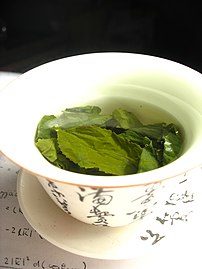
{{en}}Green tea leaves steeping in an uncovere...Image via Wikipedia Green Tea has proven itself that it has plenty of health benefits, has been proven that green tea is bursting with health benefits. It serves as a good source of antioxidant, which has been known to help prevent cancer, recover from the harmful cholesterol, and protect against damage caused by free radicals. Green tea can give more benefits to health than other teas, because of the way it is dried. Green tea is organically grown and the traditional drying technique used with Green tea prevents the tea from the negative effects of fermentation.


Medical Benefits:

Impaired Immune Function
Infection
Rheumatoid Arthritis,
High Cholesterol,
Cardiovascular Disease,
Cancer,

Green tea has many medical benefits, that only some of its benefits, here are the others:

Green tea can even help prevent tooth decay! Just as its bacteria-destroying abilities can help prevent food poisoning, it can also kill the bacteria that causes dental plaque. Meanwhile, skin preparations containing green tea - from deodorants to creams - are starting to appear on the market.
Reduce smoking risks- cigarette smokers who drink up to six cups of green tea daily reduces their susceptibility to risks caused by the toxins emitted in cigarette smoke.

Beauty remedy- green tea may be used to freshen up the face and sooth tired or strained eyes. It can be applied to spots and blemishes to lessen their visibility.

Helps weight loss- the leaves of green tea plants help raise metabolism in the body. By increasing the amount of calories burned in a 24-hour period, green tea promotes weight loss.

Stop bad breath- an element found in green tea decreases the growth of odor-causing bacteria. It is said that drinking a cup or two of green tea may help maintain fresh breath.

Green teas inhibit the expression of antigens made by the body, substances that can trigger an immune response.

National Cancer Institute reports that Green Tea has Cancer preventing abilities and Cancer fighting components add new life to the market. People who have relied on expensive anti-oxidant products are finding that Green Tea is very economical and all natural. Tea is one of the top selling consumable drinks, only topped by water



Health Counter